 Chat with us

Call us now :08045800395
 Send Inquiry
 Send Inquiry
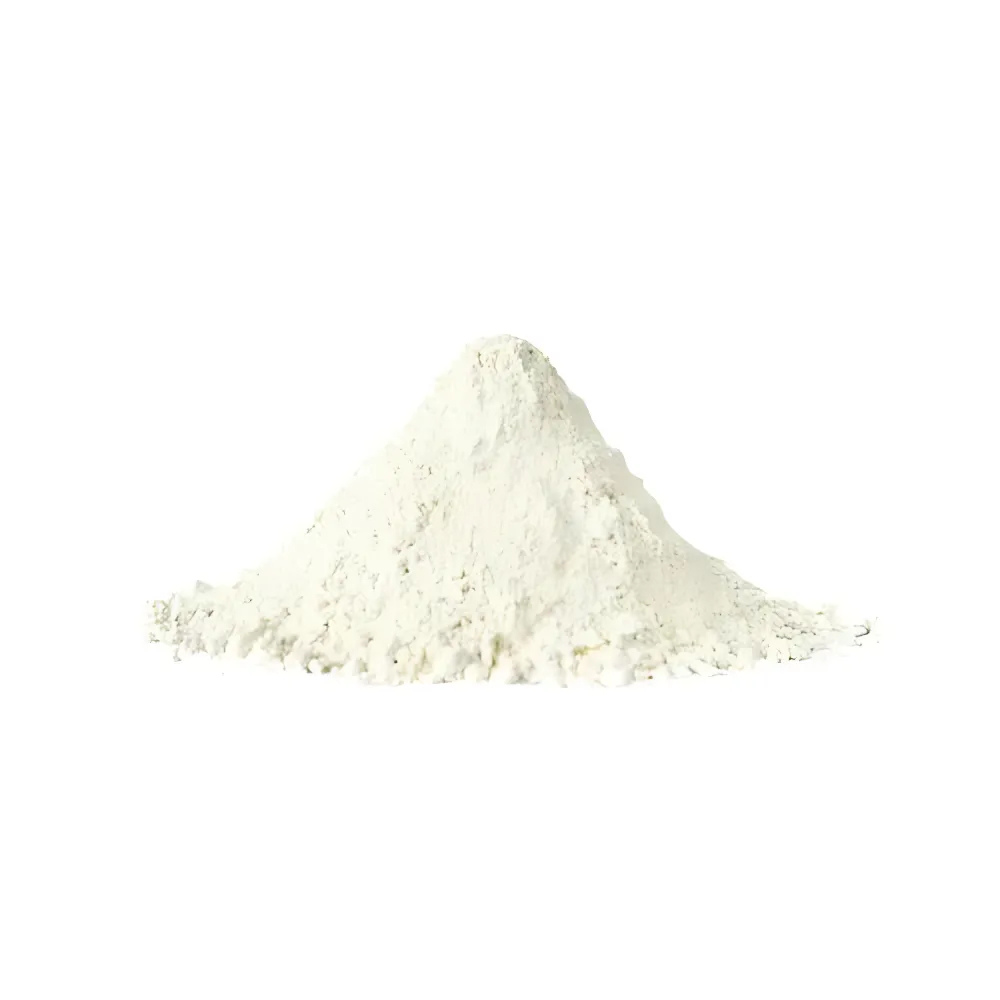
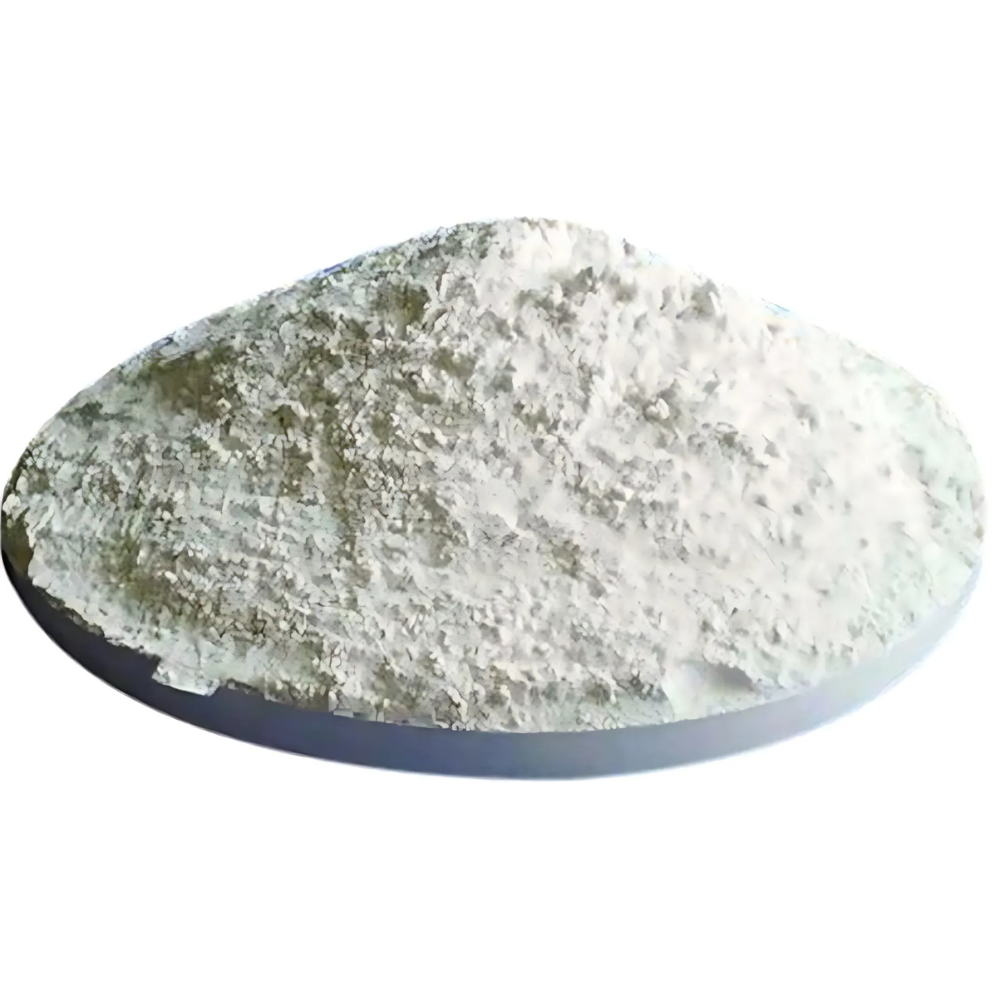
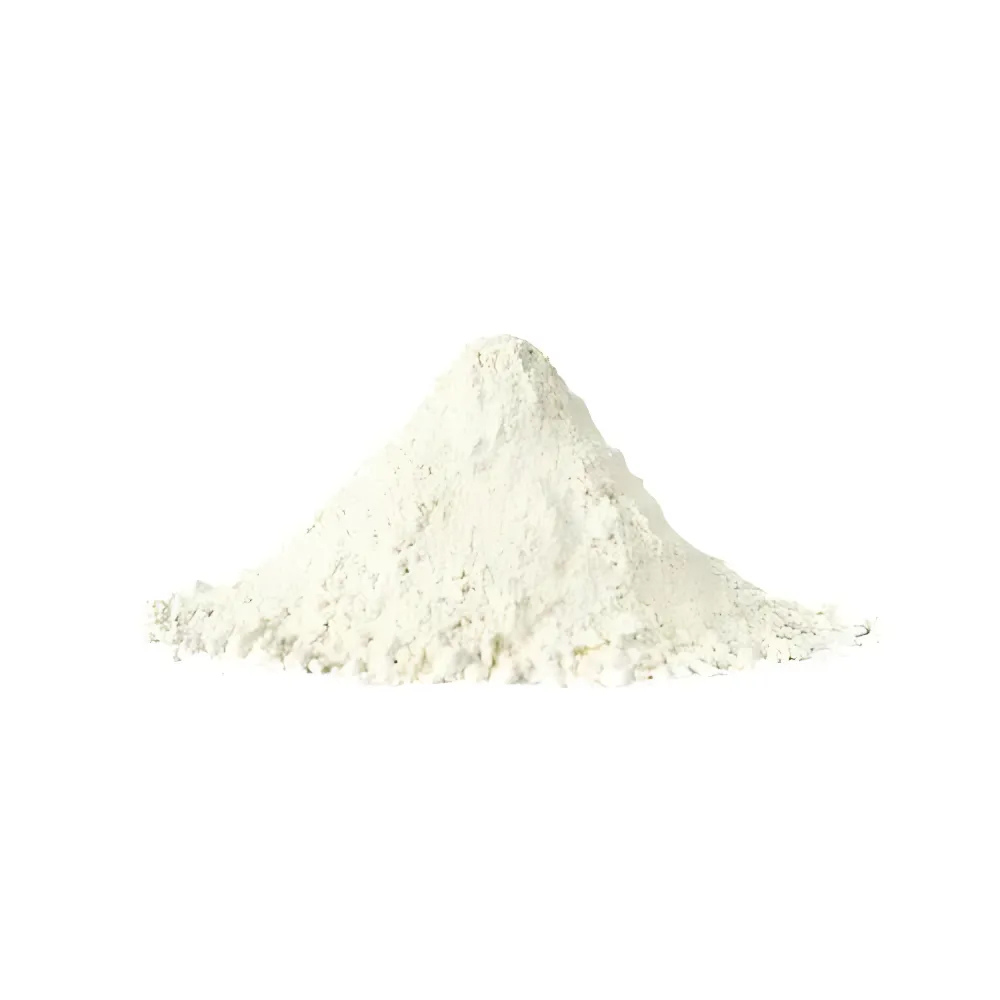
Kaolin JP
MOQ : 50 Kilograms
Kaolin JP Specification
- Application
- Pharmaceutical / Food / Cosmetic
- Product Type
- Minerals
- Types of Refractories
- Basic Refractory
- Shape
- Powder
- Strength
- High
- Color
- White
Kaolin JP Trade Information
- Minimum Order Quantity
- 50 Kilograms
- FOB Port
- Mundra Port/Kandla Port
- Payment Terms
- Cash Advance (CA), Cheque, Telegraphic Transfer (T/T)
- Supply Ability
- 5000 Kilograms Per Day
- Delivery Time
- 4 Days
- Sample Available
- Yes
- Sample Policy
- Contact us for information regarding our sample policy
- Packaging Details
- Type of Packaging Material: Polythinelined double HDPE bags / Fibre Board Drums Packaging Size and Units: Packed in 25 kg Polythinelined double HDPE bags / Fibre Board Drums. Special Instructions: - Handle with Care" or "Moisture-proof packaging."
- Main Export Market(s)
- Asia, Australia, Central America, North America, South America, Eastern Europe, Western Europe, Middle East, Africa
- Main Domestic Market
- All India
- Certifications
- 1. ISO Certifications 2. FDA Approval (for medical or healthcare products). 3. BIS Certification (Bureau of Indian Standards). 4. GMP (Good Manufacturing Practices) for pharmaceuticals. 5. Certificate of Origin. 6. FSSAI (for food products). 7. FSC Certification (for sustainable products).
About Kaolin JP
Kaolin JP ï High-Quality Pharmaceutical Grade Kaolin for Various Applications
We are a leading manufacturer and supplier ofKaolin JP, a premium pharmaceutical-grade kaolin clay that meets the stringent standards of the Japanese Pharmacopoeia (JP). Known for its high purity, fine texture, and versatility, Kaolin JP is widely used in the pharmaceutical, cosmetic, and personal care industries, as well as in various industrial applications.
What is Kaolin JP?Kaolin JP is a refined form of kaolin clay, processed to comply with the Japanese Pharmacopoeia (JP) standards. It is a naturally occurring mineral primarily composed of kaolinite, and it is known for its exceptional white color, fine particle size, and non-toxic, safe properties. This makes Kaolin JP ideal for use in a wide range of sensitive and demanding applications, particularly in the pharmaceutical and cosmetic industries.
Key Features of Kaolin JP:- Pharmaceutical Grade: Kaolin JP is manufactured to meet the high-quality standards of the Japanese Pharmacopoeia (JP), ensuring it is safe, reliable, and suitable for use in pharmaceutical and cosmetic formulations.
- High Purity: This kaolin is characterized by its excellent purity, containing minimal impurities and ensuring consistent performance in products that require strict quality control.
- Non-toxic and Safe: Kaolin JP is a non-toxic, safe ingredient for use in skin-contact products such as creams, powders, and ointments, as well as in medicines.
- Pharmaceutical Products: Kaolin JP is widely used in pharmaceutical preparations, including medicinal powders, tablets, and ointments. Its soothing and absorbent properties make it effective in treating minor skin irritations and digestive issues (such as diarrhea).
- Cosmetic and Personal Care: In cosmetics, Kaolin JP is commonly found in face powders, face masks, deodorants, and body powders. Its absorbent nature helps control oil and moisture, giving a smooth, matte finish to the skin..
- Industrial Applications: In addition to its pharmaceutical and cosmetic uses, Kaolin JP can also be employed in industrial products such as paints, ceramics, and coatings, thanks to its fine texture and smoothness.
- Premium Quality: Our Kaolin JP is processed to meet the highest standards of the Japanese Pharmacopoeia, ensuring it is safe, pure, and consistent in quality.
- Reliable Supply: As a trusted manufacturer, we provide a steady and reliable supply of Kaolin JP, meeting the needs of businesses in the pharmaceutical, cosmetic, and industrial sectors.
- Eco-Friendly: Kaolin JP is a natural mineral and an environmentally friendly choice for manufacturers seeking sustainable ingredients for their products.
- Strict Compliance: Our Kaolin JP complies with the Japanese Pharmacopoeia standards, making it an ideal choice for pharmaceutical and cosmetic manufacturers requiring high-quality, compliant ingredients.
- Competitive Pricing: We offer Kaolin JP at competitive prices without compromising on quality, helping you achieve cost-effective manufacturing without sacrificing performance.
- Timely Delivery: With our efficient production and logistics systems, we ensure that your orders of Kaolin JP are delivered on time, every time.
- Expert Support: Our knowledgeable team is always available to assist with any technical questions, product specifications, or customization requirements you may have.
For more information or to place an order, contact us today! Let us be your trusted supplier of Kaolin JP, ensuring that your products are of the highest quality and meet the expectations of your customers.
Tell us about your requirement

Price:
Quantity
Select Unit
- 50
- 100
- 200
- 250
- 500
- 1000+
Additional detail
Mobile number
Email

More Products in Light Kaolin IP/BP/USP/JP Category
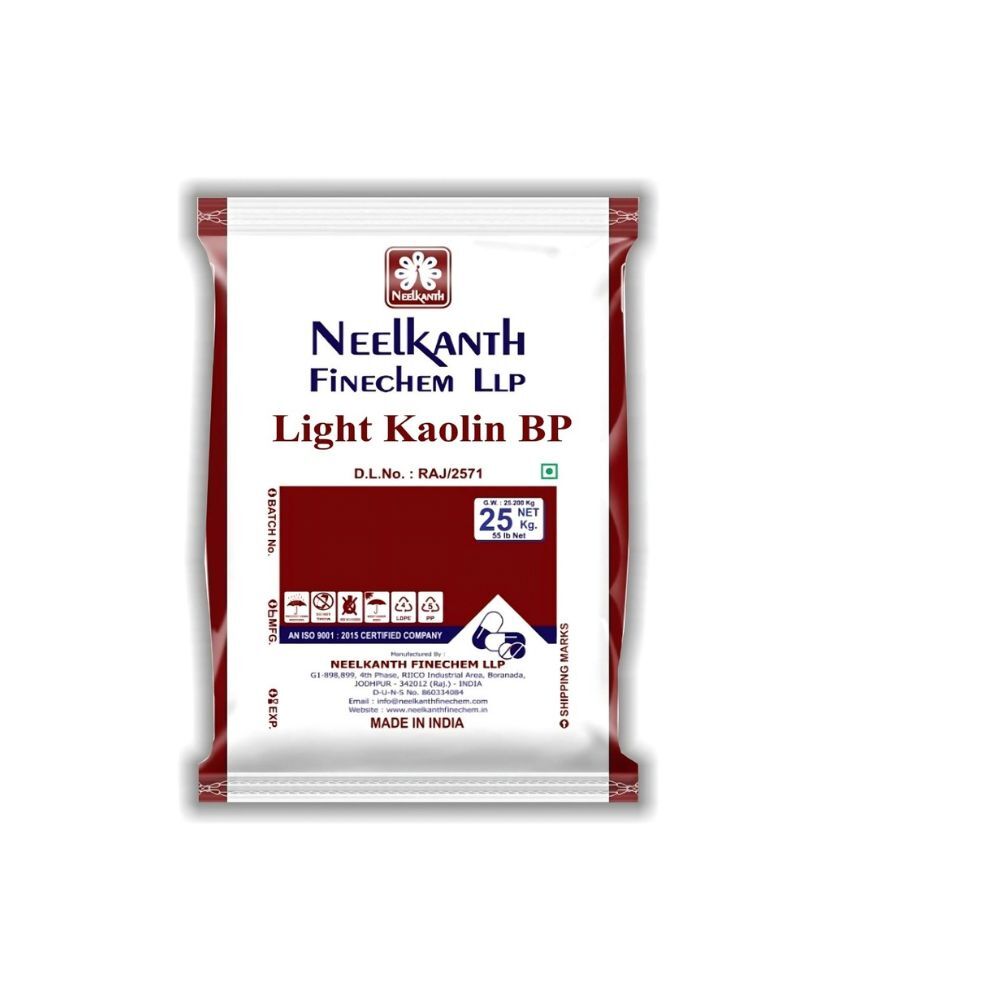
Light Kaolin BP
Price 20 INR / Kilograms
Minimum Order Quantity : 250 Kilograms
Main Material : Kaolinite (Hydrated Aluminum Silicate)
Melting Point : Approximate range: 1750C to 1800C
Shape : Powder
Types of Refractories : Basic Refractory
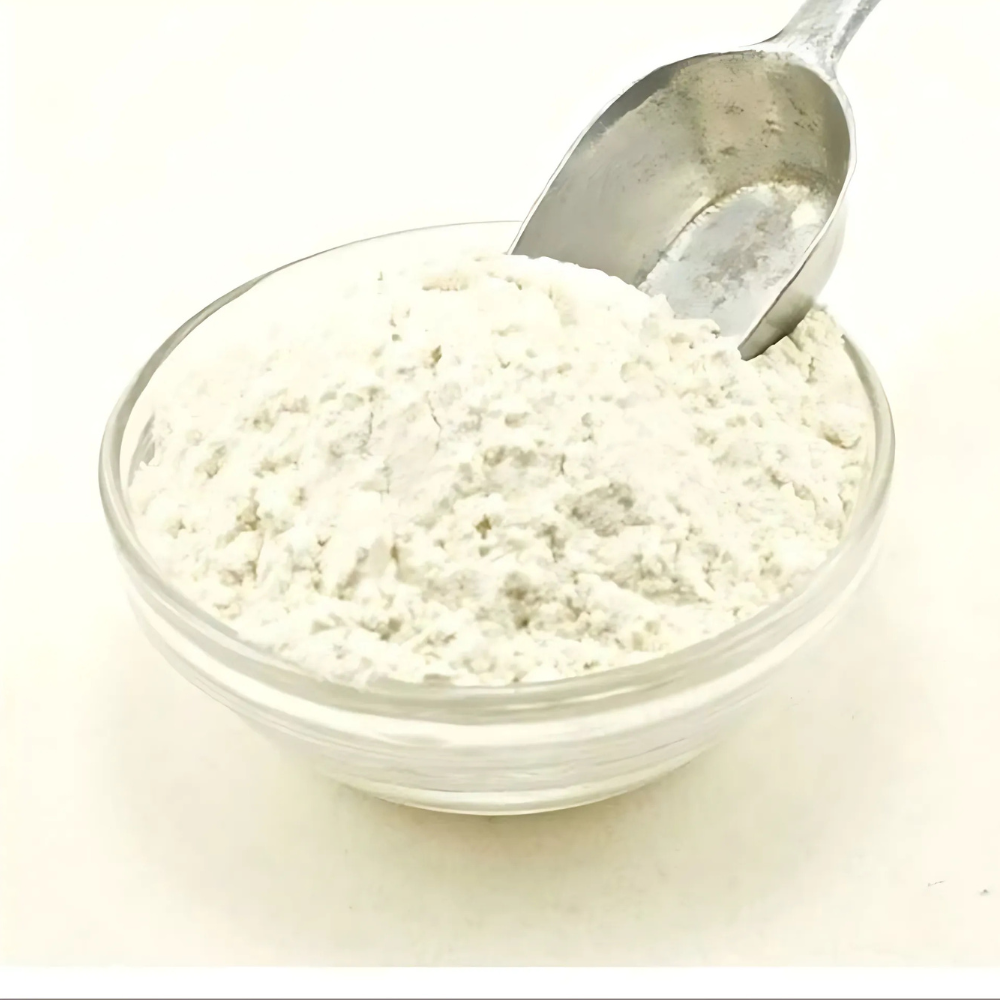
Light Kaolin I.P
Price 20 INR / Kilograms
Minimum Order Quantity : 250 Kilograms
Main Material : Hydrated Aluminum Silicate
Melting Point : Light Kaolin IP does not have a welldefined melting point because it decomposes before it can melt. Upon heating, kaolin undergoes several transformations: Dehydration: At temperatures between 400650C, kaolin loses its water of hydration and converts to metakaolin (AlSiO). Transformation to Mullite: At higher temperatures (approximately 1,0501,250C), metakaolin begins to crystallize into mullite (3AlO2SiO), a more stable phase. Instead of melting, kaolin undergoes these phase changes, and the material begins to break down or transform rather than become liquid. The decomposition temperature of kaolin typically starts around 1,000C, depending on the processing conditions.
Shape : Powder
Types of Refractories : Basic Refractory
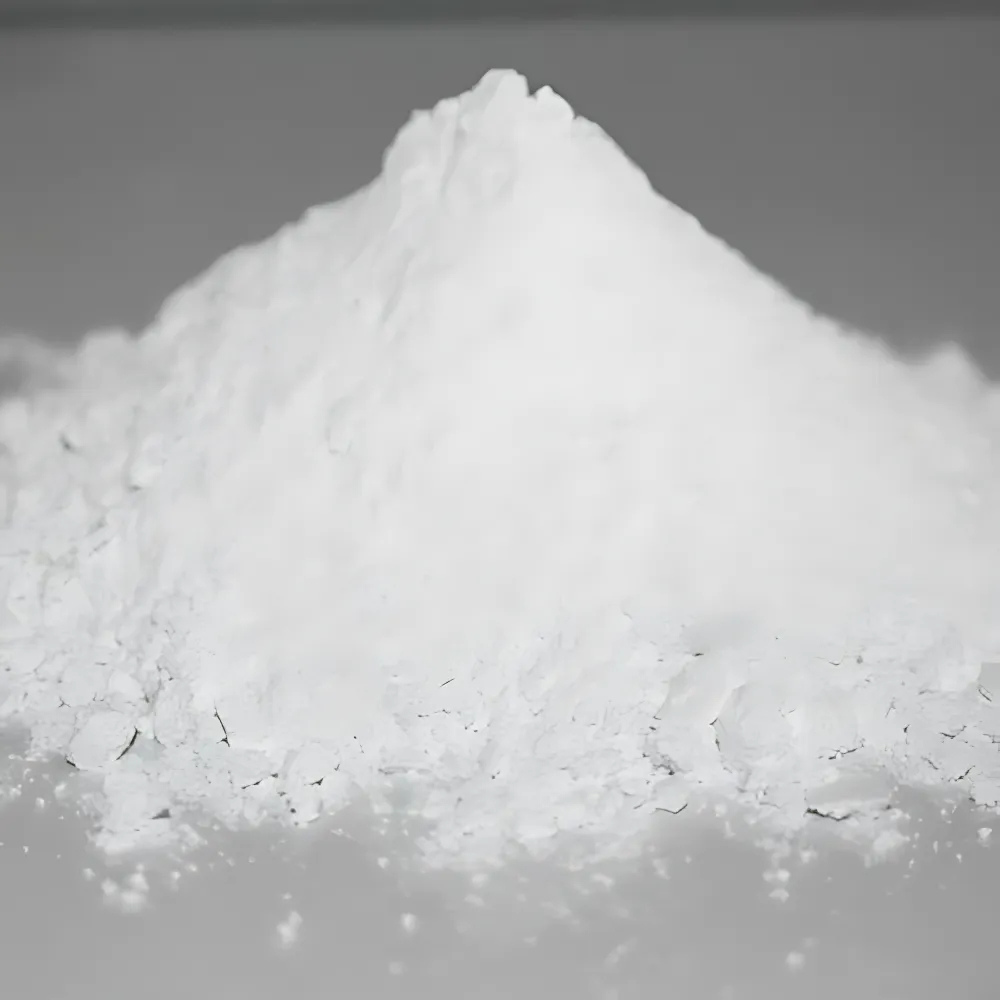
Kaolin USP
Minimum Order Quantity : 50 Kilograms
Main Material : Hydrated aluminum silicate
Melting Point : The melting point of Kaolin USP is not a defined temperature because it is a mineral clay composed primarily of kaolinite (a hydrated aluminum silicate). Instead of melting, kaolin undergoes a dehydration and structural transformation when heated. Thermal Behavior of Kaolin: Dehydration: Kaolin begins to lose its water content around 500C (932F). Transformation to Metakaolin: At temperatures above 550C to 600C (1022F to 1112F), kaolin converts into metakaolin, a form of anhydrous aluminum silicate. Further Heating: At temperatures above 1100C (2012F), kaolin can melt and become a glassy phase, but this is typically beyond the standard use temperatures. Kaolin does not melt in the conventional sense; instead, it undergoes thermal decomposition and structural changes as the temperature increases.
Shape : Powder
Types of Refractories : Basic Refractory

 Send Inquiry
Our Products
- Industrial Chemical Powders
- Oxide Chemical
- Minerals & Refractories
- Construction Chemicals
- Natural Herbal Powders
- Calcium Sulphate Di Hydrate BP/NF/EP
- Plaster Of Paris
- Gypsum
- Bentonite IP/BP/NF/EP/JP/FSSAI
- Light Kaolin IP/BP/USP/JP
- Heavy Kaolin IP/BP/EP
- Zinc Oxide
- Zinc Carbonate USP
- Calcium Carbonate IP/BP/USP/EP/JP
- Chalk Bp
- Ground Lime Stone USP
- Guar Gum IP/NF/BP
- Guar Galactomannan BP/EP
- Di-Basic Calcium Phosphate IP
- Calcium Hydroxide BP/USP/EP/JP
- Calcium Oxide JP/ Lime USP
- Calcium Carbonate Oyster Shell
- Acacia IP / BP / Food Grade
- Magnesium Oxide / Hydroxide IP
- Magnesium Carbonate IP
- Standardised Aloes Dry Extract BP
- Standardised Senna Leaf Dry Extract BP
- Ispaghula Husk IP/BP
- Psyllium Husk USP
- Purified - Hand Picked Selected Minerals
- PURIFIED TALC BP/EP/JP/IP/USP/FSSAI
- Natural Indian Clay
- Calamine IP/BP/USP
- Aloe Vera Juice
- Kaolin Powder (Food Grade)


A-281, Nitin White House, Phase 1, RIICO Industrial Area Boranada, Jodhpur - 342012, Rajasthan, India

Mr. Nitin Salecha
(CEO)
Mobile :08045800395
 Send Inquiry
 Send SMS
Developed and Managed by Infocom Network Private Limited.
